
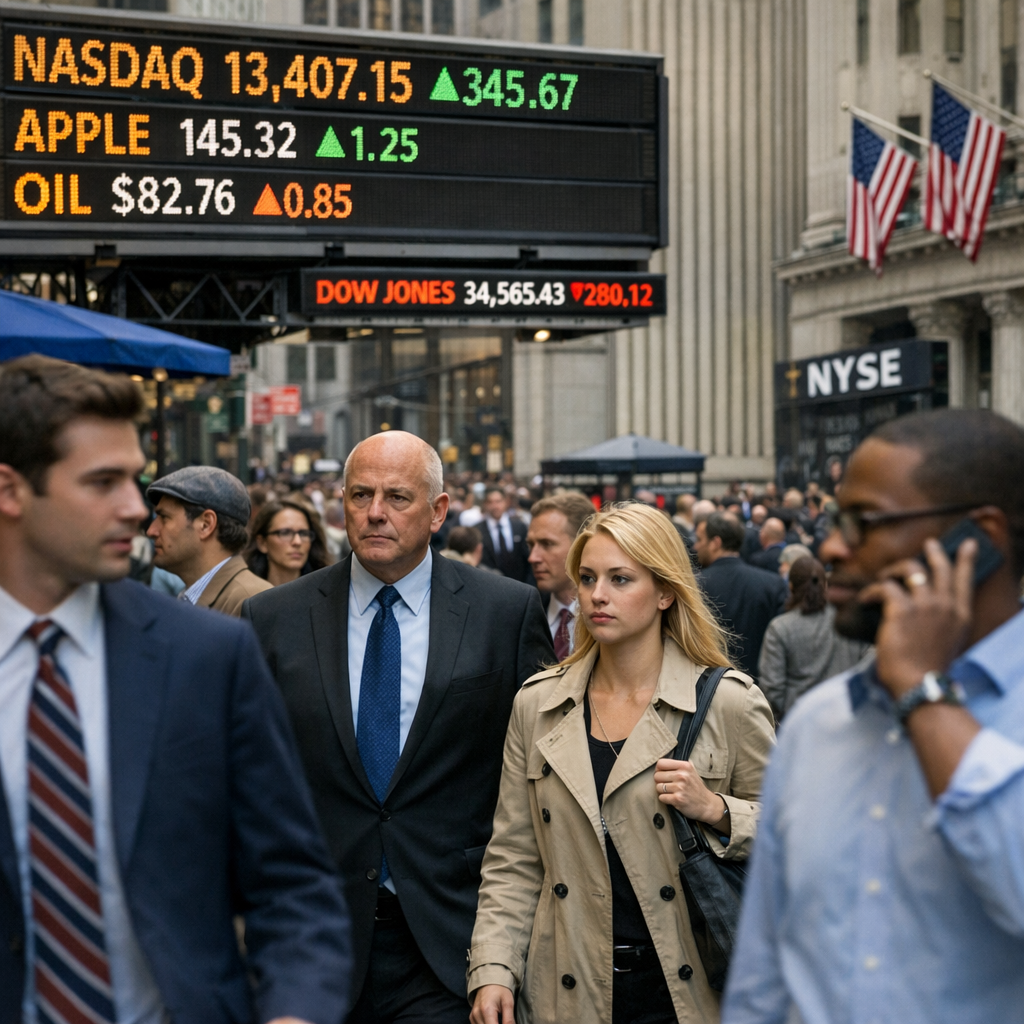
The U.S. economy is currently experiencing a period of moderate growth, with the International Monetary Fund (IMF) projecting a 2.4% increase in gross domestic product (GDP) for the fourth quarter of 2026. This marks an improvement from the 2.2% growth observed in the previous year. The unemployment rate is also expected to decline from 4.5% in late 2025 to 4.1% in 2026, indicating a strengthening labor market.
However, inflation remains a concern. The IMF anticipates that inflation will reach the Federal Reserve’s target of 2% by 2027. In response, the Federal Reserve has maintained its benchmark interest rate at 3.6%, with potential for future adjustments depending on economic conditions.
Recent geopolitical events, such as the conflict in the Middle East, have contributed to fluctuations in global energy prices, impacting domestic fuel costs and overall consumer spending. Additionally, ongoing trade policies and tariffs continue to influence various sectors of the economy, affecting both businesses and consumers.
As the economic landscape evolves, it is crucial for policymakers and stakeholders to monitor these developments closely to ensure sustained growth and stability.