

By Ava Peterson
Blaine may not be Silicon Valley, but tech innovations—especially in artificial intelligence—are becoming a regular part of life here. From how we shop to how we stay healthy, smart devices, AI tools, and local startups are making significant yet often unnoticed changes. Here’s a look at how these shifts are unfolding in our community.
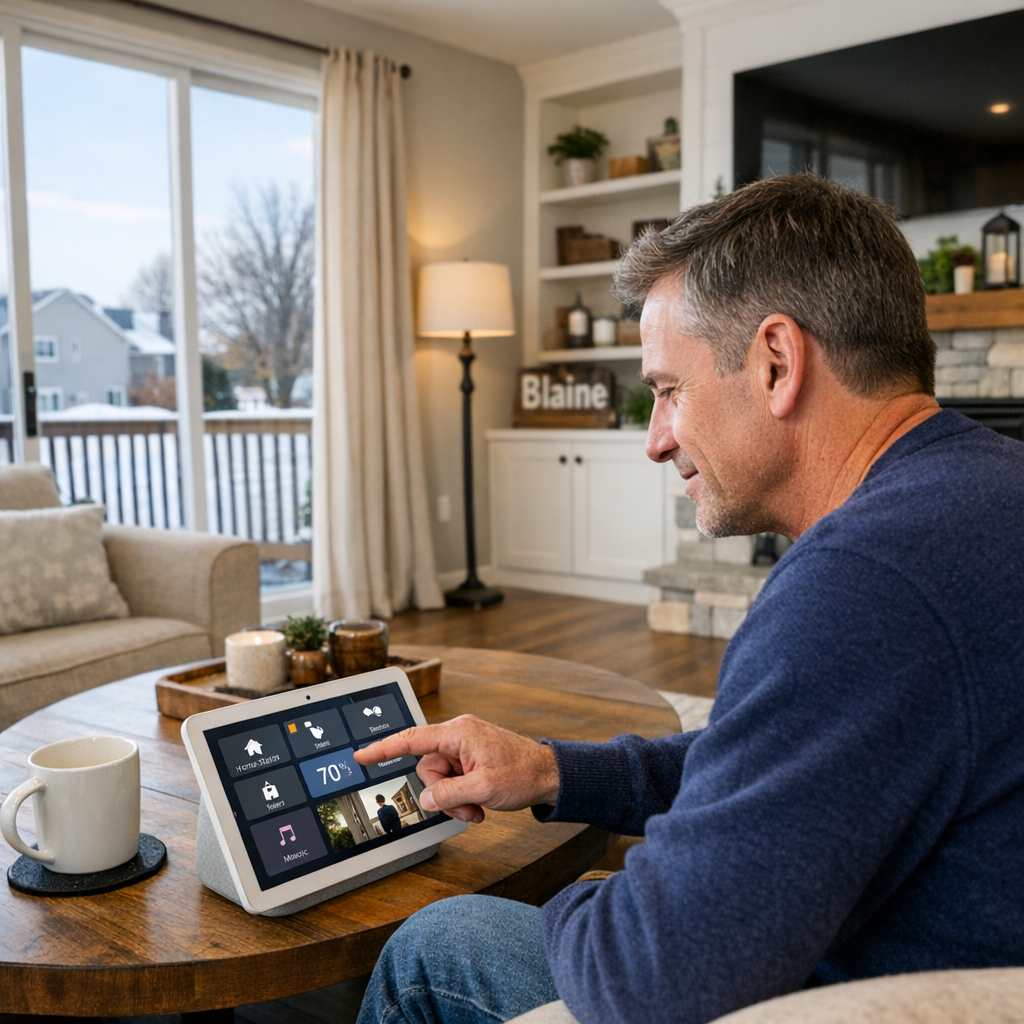
Smart Homes, Smarter Living
Many Blaine residents have already embraced smart speakers, robot vacuums, or thermostats that learn when to run. These aren’t just novelty items. They help save energy, streamline chores, and make otherwise manual tasks more seamless. What used to feel futuristic is now part of everyday routines.
Wearables and Health Tracking
Wearable tech like smartwatches or fitness bands doesn’t just count steps anymore—it monitors sleep, heart rhythms, stress levels, even some signs of cognitive change. For folks managing chronic health issues or simply trying to track wellness, these devices act like personal health assistants in our daily lives.
Local Startups Making a Difference
In Minnesota’s AI startup scene, there are growing teams built around healthtech, conversational AI, and business tools. These are not distant tech giants—they are enterprises led by Minnesotans, creating tools that are used here in Blaine and beyond. Their focus? Solving real problems—automating calls, summarizing information, helping schedules run more smoothly.
AI Behind the Scenes
Most AI today works quietly. It powers online searches, helps apps give personalized recommendations, and assists at work with tasks like drafting emails or organizing data. It also factors into customer service and routine business operations.
Challenges & What Blaine Residents Should Watch
- Privacy: The more connected devices we have, the more data there is. Beware what personal info crosses into the cloud.
- Cost: Cutting-edge health wearables or smart home systems might require more investment than many expect.
- Digital Literacy: Not everyone finds tech easy. Support and learning opportunities help bridge gaps, especially for older adults or those new to certain tools.
The Future of Simple Innovation
What’s next doesn’t have to be grand. It might be a thermostat that knows when you leave for work and cools before you return, or local clinics using voice-based scheduling through AI, so fewer phone calls are required. Blaine doesn’t need to invent the next big thing—it just needs to adopt what works and improves our daily life.
Tech isn’t just about gadgets—it’s about how we use tools to add ease, clarity, and connection. And in Blaine, that transformation is quietly underway.