
Recent developments in the U.S. economy and political landscape signal potential challenges ahead.
Economic Concerns Amid Rising Inflation
The International Monetary Fund (IMF) has highlighted a “buoyant” U.S. economy poised for accelerated growth and lower unemployment. However, the IMF also warns of risks stemming from tariffs and rising federal debt. The organization projects a 2.4% growth in gross domestic product for the fourth quarter of 2026, up from 2.2% the previous year. Unemployment is expected to drop to 4.1% in 2026, with inflation reaching the Federal Reserve’s 2% target by 2027. Despite these positive indicators, the IMF cautions that significant federal budget debts pose a growing stability risk.
Political Developments and Public Sentiment
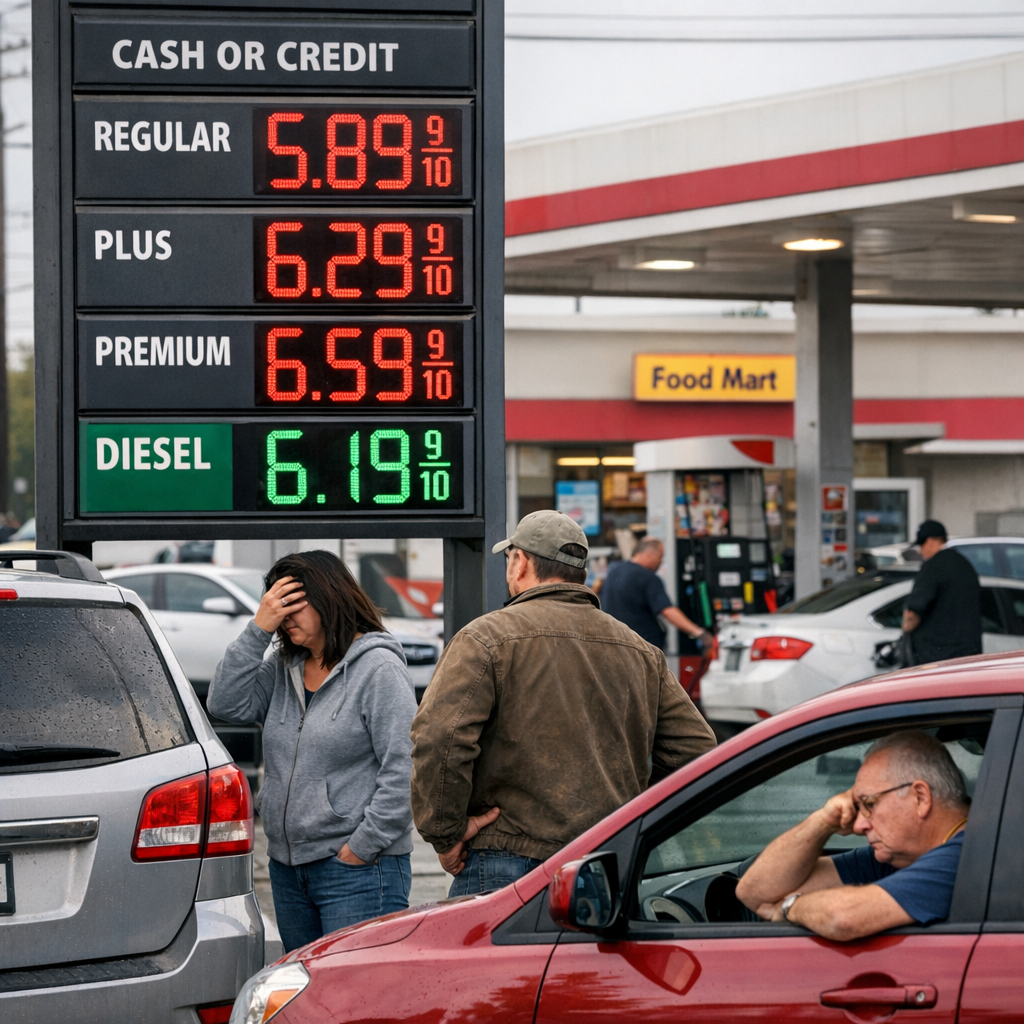
In the political arena, a recent CBS News/YouGov poll reveals deep public dissatisfaction with President Donald Trump’s economic policies. Conducted among 2,064 adults from May 13-15, the survey found that 70% of Americans feel “angry” or “frustrated” about Trump’s handling of the economy. Only 11% expressed enthusiasm, and 19% said they were satisfied. Economic anxiety has grown since Trump’s military conflict with Iran began in February, triggering a surge in energy costs due to the closure of the Strait of Hormuz. Average gas prices have exceeded $4.50 per gallon nationally, with some states seeing prices above $5. Inflation also rose to 3.8% in April, its highest in three years. This economic pressure has led to declining confidence in Trump’s policies, with 65% of respondents believing his actions are worsening the economy short-term and 50% saying they’ll harm it long-term. Only 27% approve of his handling of inflation, while 77% say their incomes aren’t keeping pace with rising prices. The poll shows more Americans favor Democrats’ economic approach than Republicans’, compounding election worries for Trump’s party.
Implications for Blaine Residents
For residents of Blaine, Minnesota, these national trends have tangible local impacts. Rising inflation and energy costs can strain household budgets, affecting everything from daily expenses to long-term financial planning. Additionally, political shifts at the national level may influence local policies and community programs. Staying informed about these developments is crucial for making informed decisions and advocating for community needs.